Kilns
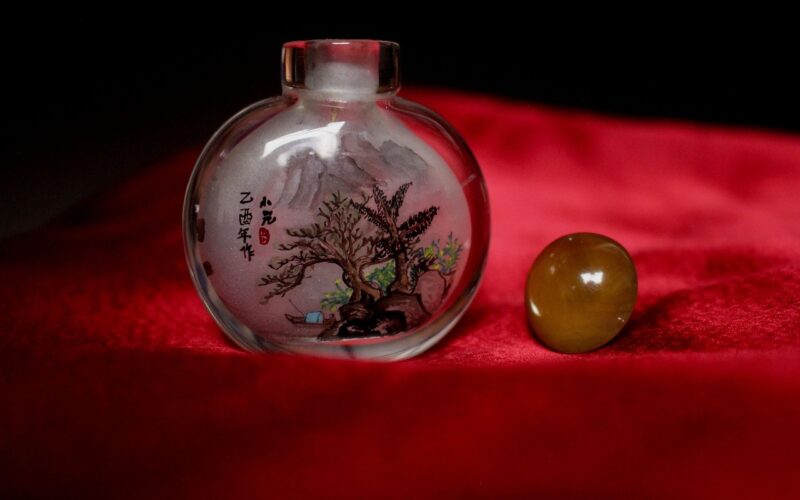
Curved Surfaces Made Easy
Applying a flat design to a curved object can feel like trying to wrap a football with a square piece of paper. For crafters and...
MORE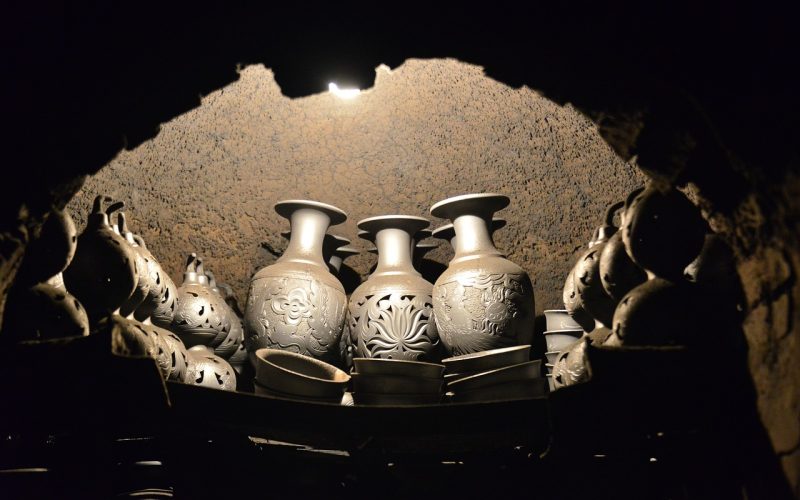
The Art And Science Of Kiln-Made Pots
The vase on your table, that intricately designed plant pot on your shelf, the ceramic mug you hold every morning—all of these everyday items might...
MORE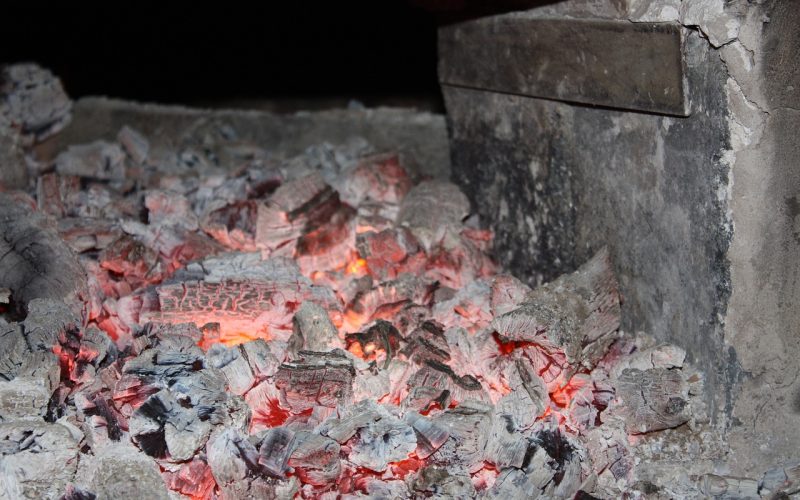
The Evolution Of Pottery Kilns
The history of pottery kilns is as rich and varied as the ceramics they produce. From their humble beginnings as simple pits to the sophisticated...
MORE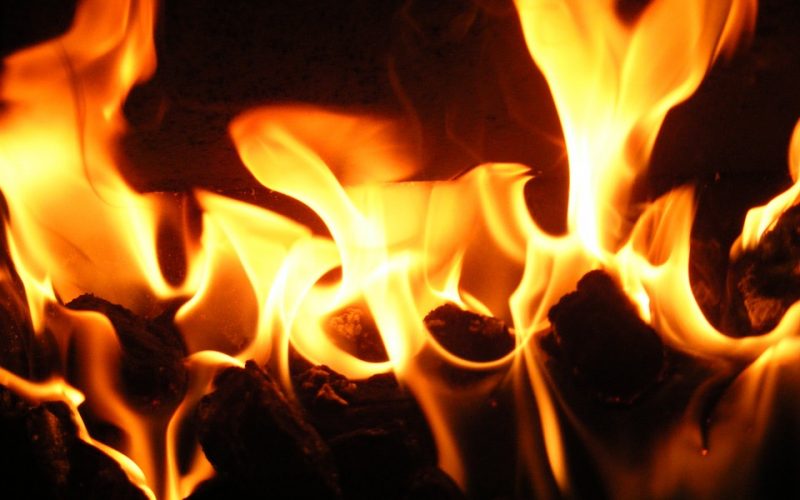
Creating a Kiln Draft
Firing fine bone china requires precision. Temperature fluctuations of just a few degrees can mean the difference between a flawless piece and a costly mistake....
MORE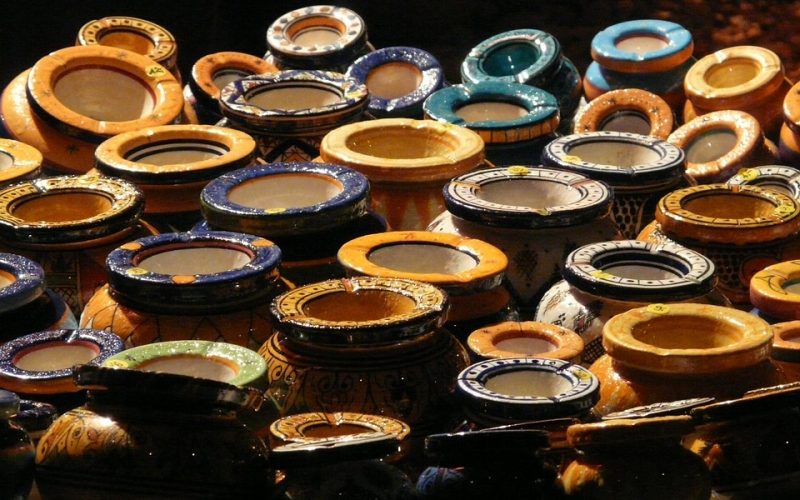
Electric Kilns
Many new pottery artists choose electric kilns for several reasons. Control is one of the most important. An electric kiln offers a fine measure of...
MORE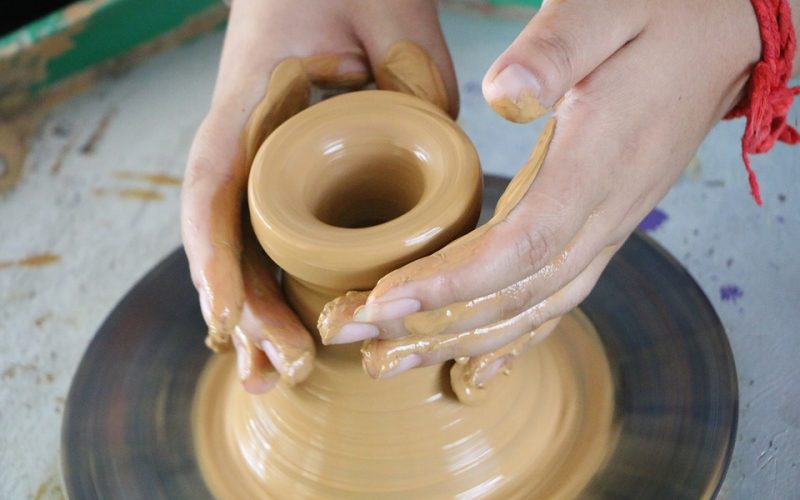
Pottery Before the Firing
Creating a finished piece of pottery is a long process, and much of it is done before the clay ever gets fired in a kiln....
MORE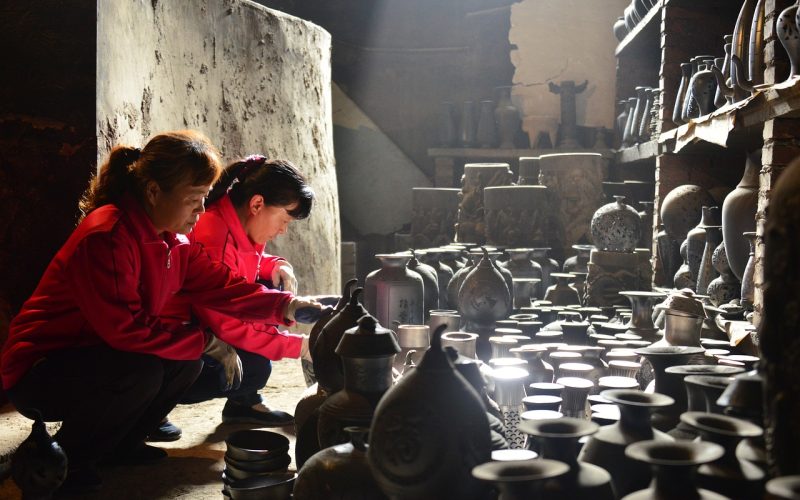
Different Kilns, Different Result
Understanding the effects of different kiln firing methods is crucial for potters aiming to achieve specific aesthetic and functional results in their ceramic work. The...
MORE
Wood Fired Kilns
Pottery artists who have long studied their craft often prefer kilns that are heated using wood. They use the wood firing process to add a...
MORE
Pottery For The Masses
Mass production has revolutionised the way we consume products, including everyday ceramic items such as mugs, plates, and tiles. The process of mass-producing ceramics combines...
MORE